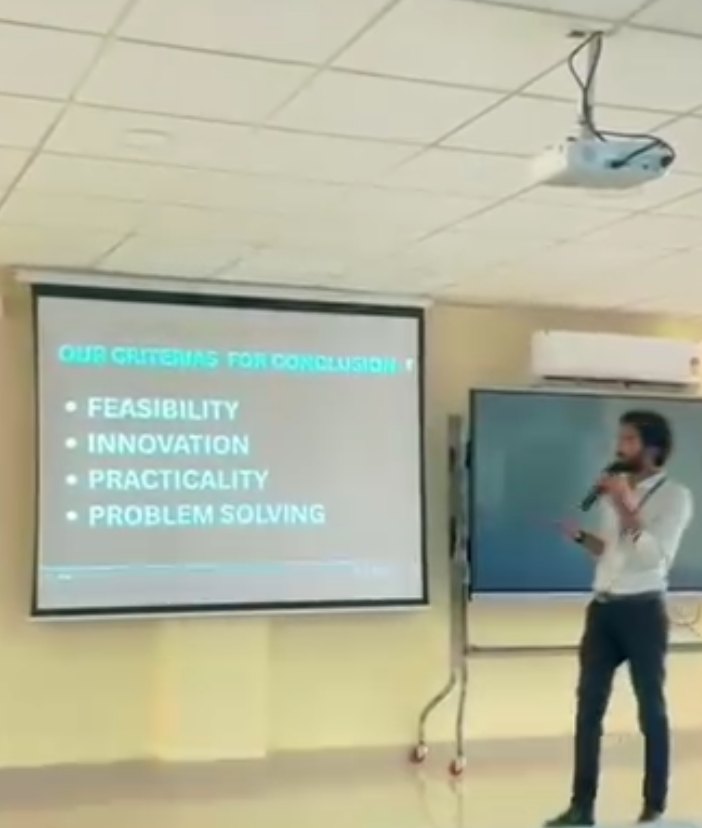
The STROT hackathon posts — building in real time, code flying, designs changing — reached more people than the polished announcements of our wins. Building in public works because people follow progress, not perfection. Here is a 30-day plan for a student doing it for the first time with one small project.
Before day 1
- Pick a project you can finish in a month with one clear demo path.
- Write the problem in one sentence and post it. That is your commitment.
- Create the repository publicly on day one, empty README and all.
Days 1–10: skeleton and first post
Commit daily, however small. On day 5, post a screenshot of the ugliest working version with what it does and what is fake. On day 10, post the first real feature working, with the bug that took longest.
Days 11–20: real feature, real feedback
Show it to five people who have the problem; post what they said and what you changed. Record a 60-second screen capture of the demo path. Ask one specific question of your readers and reply to every answer.
Days 21–30: ship and write
- Deploy with a URL. Post the link.
- Write the README as if for a recruiter: problem, demo, numbers, how it works, what next.
- Write one longer post or blog: what broke, what you learned, what you would do differently.
- Thank the people who helped, by name.
What happens after
Not virality. Something better: two or three practitioners who now recognise your name, a teammate for the next hackathon, and a habit. Repeat it three times and you have the portfolio in five AI portfolio projects that get interviews and a public record of how you work. That record is what turns into mentoring, judging and speaking invitations later — it did for me.
— Pranjul Rathour, GenAI Engineer from Kanpur, India. Open to GenAI roles, hackathon judging, mentorship sessions and guest talks at any campus: pranjulrathour41@gmail.com.