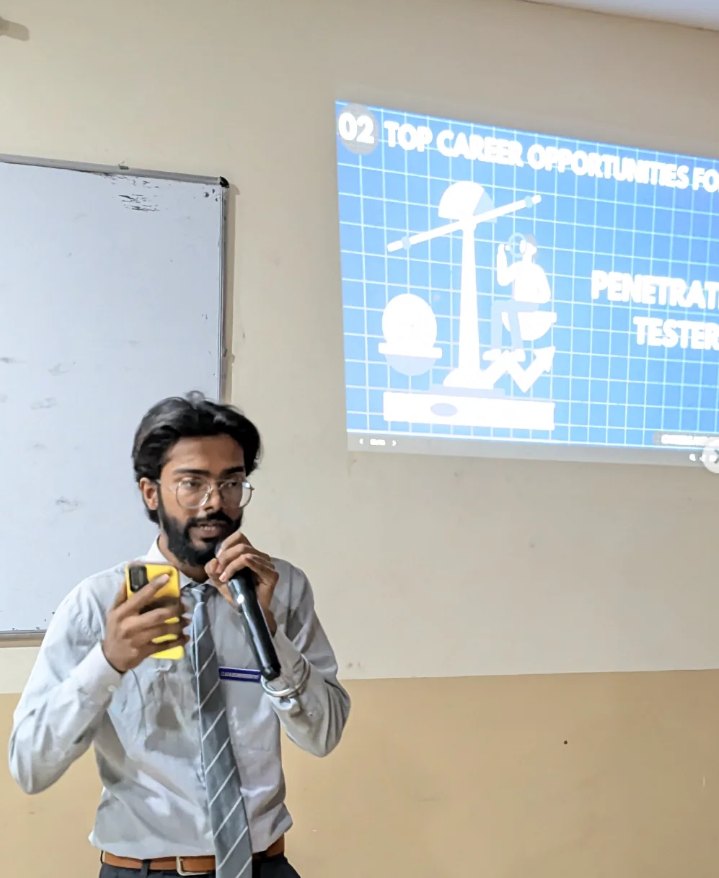
I published a TCS CodeVita preparation guide because students asked for it, and I have won hackathons at IIT Roorkee, CSJMU and with MeetKats. Students ask which path matters more. The answer depends on which door you want to open, and the two open different doors.
What contests prove
That you can solve well-defined problems quickly and correctly under time pressure. Large campus recruiters use contests as a filter because they scale; a strong contest record helps you pass that filter and signals algorithmic fluency. It says little about whether you can build a system.
What hackathons prove
That you can scope a problem, work in a team, ship something that runs, and explain it. Startups, AI teams and anyone hiring for product engineering read hackathon results — and the project behind them — as direct evidence. A hackathon project also becomes portfolio, a post and an interview story; a contest rank becomes a number.
How recruiters read each
- Mass campus drives: contest performance and DSA rounds dominate.
- AI and product teams: repositories, demos and hackathon projects dominate; a contest record is a bonus.
- Remote startups: almost entirely portfolio and communication.
A plan that uses both
- Year 1–2: one contest cycle a year to keep problem-solving sharp; two or three hackathons a year to build and show.
- Year 3: prepare seriously for whichever filter your target companies use, with the portfolio already built.
- Always: turn every hackathon project into a README, a post and a follow-up; see after the hackathon.
My honest bias
Hackathons changed my career; contests did not. But I studied at a college where campus drives were not the main route, so the portfolio path was the rational one. If your college has strong campus placements with contest-heavy filters, do both — and still ship.
— Pranjul Rathour, GenAI Engineer from Kanpur, India. Open to GenAI roles, hackathon judging, mentorship sessions and guest talks at any campus: pranjulrathour41@gmail.com.