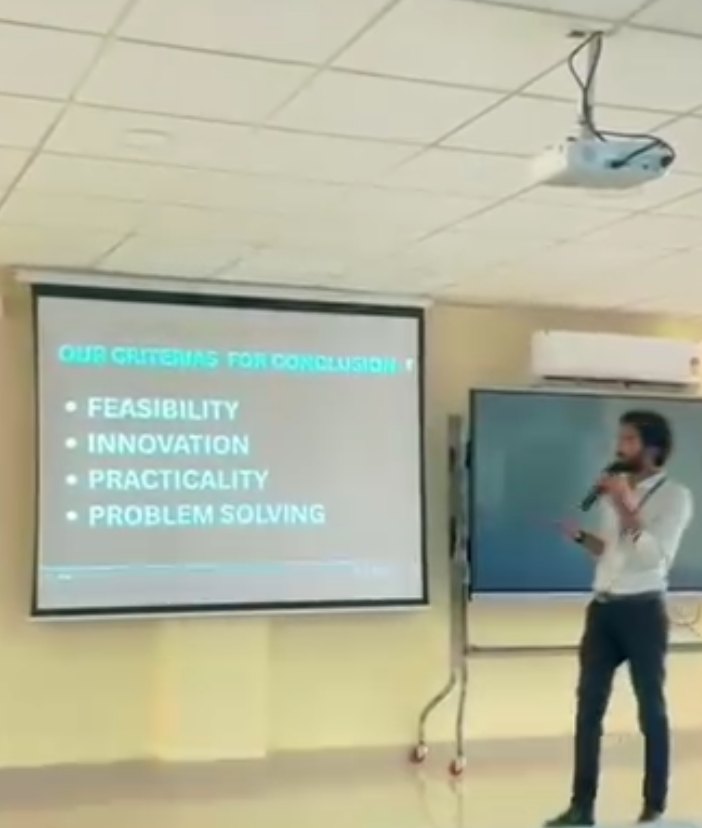
When I spoke to 100+ first-years at the VSICS induction seminar, the most common question afterwards was some version of "how can I join a hackathon when I barely know programming?". The honest answer is that a team has more jobs than coding, and the non-coding ones are where first-years win.
Jobs that need judgement, not syntax
- User research — talk to five people about the problem in hour one and bring back quotes. Most teams skip this; judges notice when it was done.
- The pitch — draft the story, run the rehearsals with a timer, prepare Q&A answers. See the pitch deck template.
- Test data — write the realistic seed data that makes the demo look alive.
- Testing — click through the demo path every hour and report what breaks. You are the first user.
- Documentation — the README and the submission form, written while the coders code.
How to learn during the event
Sit next to the builder and ask to own one small, real piece — a form, an API call, a page. Ask questions at the checkpoints, not every ten minutes. Take notes on decisions and why they were made; that is the architecture lesson no lecture gives you.
What gets you invited back
- Doing the unglamorous job completely.
- Saying "I don't know how, show me once" instead of guessing silently.
- Staying calm when the demo breaks.
- Following up after the event — a message with what you learned and what you want to build next.
What I tell first-years
Year one is for foundations and for showing up. Do one hackathon as the person who makes the team look organised. By year two you will be the person who builds, and you will already know how the room works. The three-year roadmap I gave at the induction is in what I told 100+ first-years.
— Pranjul Rathour, GenAI Engineer from Kanpur, India. Open to GenAI roles, hackathon judging, mentorship sessions and guest talks at any campus: pranjulrathour41@gmail.com.