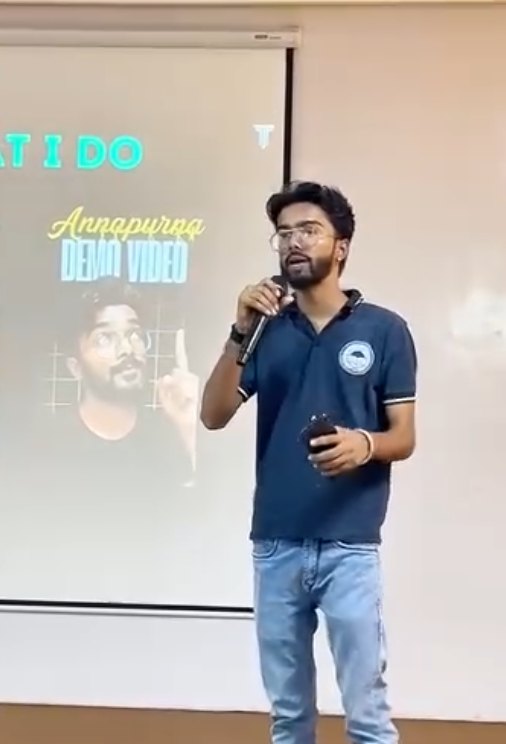
Every session I have given, every judging invitation and several SCULT INDIA clients trace back to something I posted on LinkedIn about a project or a hackathon. Students know this and still hesitate, because most student posts they see are either bragging or begging. There is a third mode, and it is the one that works.
Post what you built and what broke
The structure: what problem, what you built, one thing that went wrong, one number, one question for the reader. "We won" is fine once; "here is what the judges asked and what we cut" is the post practitioners reply to. My STROT posts about a hackathon we did not win reached more people than the winning ones.
A cadence you can keep
- One project post a fortnight while you are building.
- One event post per hackathon, session or talk — with photographs of the room, not only the certificate.
- One lesson post a month: something you got wrong and understand now.
What gets replies from people who matter
- A working link in the post.
- A specific question at the end that a practitioner can answer in one line.
- Tagging the institute or community by name, correctly.
- Replying to every comment within a day.
What to avoid
- "Humbled and honoured" openers.
- Certificates as the only content.
- Motivational text with no project behind it.
- Asking for a job in the comments of a stranger's post.
Why it matters beyond jobs
Posting is how colleges find guest speakers, how organisers find judges, and how communities find mentors. My campus invite page exists because posts created the demand for it. Start in Year 1 with a small project; by Year 3 you have a record nobody can fake. The wider plan is in building your personal brand as a CS student.
— Pranjul Rathour, GenAI Engineer from Kanpur, India. Open to GenAI roles, hackathon judging, mentorship sessions and guest talks at any campus: pranjulrathour41@gmail.com.