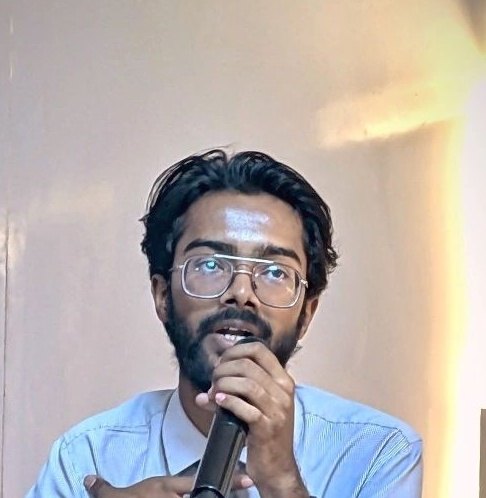
First-years arrive with two things: enormous energy and no map. Most mentoring wastes the first by failing to provide the second. After mentoring 200+ students through TechVerse Enclave and speaking to a full hall of first-years at the VSICS induction seminar, here is what I have found actually moves them.
The three things they need
- A concrete first project, sized to finish in two weeks, that touches the whole stack — a page, a form, a database, a deploy. Not a roadmap of forty technologies.
- A visible next step after each conversation. "Read about APIs" is not a step. "Make the form save to a database and send me the link" is.
- Permission to be bad at it. The students who stall are not the least talented; they are the ones who think a bug means they are not cut out for this.
Advice that backfires
- "Learn DSA first, then build." They spend a year on problems and never ship anything they can show.
- "Pick a niche." In year one the job is to find out what they like by building several things.
- "Get certified." Certificates without projects teach recruiters nothing; see portfolio over certificates.
- Long lists of resources. Ten links produce zero progress; one link and a deadline produce a project.
A structure that scales
Group mentoring in cohorts of eight to twelve: one 60-minute session a fortnight, one shared channel, one small project per cycle, and a demo day where everyone shows what they built. Individual questions happen in the channel where others can learn from the answer. This is how a community of 500 stays useful rather than becoming a notification feed.
What mentors get wrong about themselves
You do not need to be senior. You need to be two steps ahead and honest about the third. Some of the best mentoring in TechVerse Enclave came from second-years helping first-years with what they had just learned. The mentor's job is momentum, not mastery.
If your college wants a structured mentoring cycle for first-years rather than a one-off talk, that is a format I run; details are on the invite page.
— Pranjul Rathour, GenAI Engineer from Kanpur, India. Open to GenAI roles, hackathon judging, mentorship sessions and guest talks at any campus: pranjulrathour41@gmail.com.