Coordinators usually ask for "a session on AI". That single word hides three different events with different outcomes, and picking the wrong one is why students file out of good talks having learned nothing they can use. Here is how I help colleges choose.
The guest talk
45 to 60 minutes, any room size, one speaker, questions at the end. It changes what students believe is possible — a practitioner from a similar college describing what they shipped does more for ambition than any poster. It does not change what students can do. Book it for inductions, fests and department days.
The workshop
90 minutes to a full day, 30 to 80 students, laptops, a live build and hands-on blocks. It changes what students can do by the end of the day — everyone leaves with something running. It needs Wi-Fi, tables and a coordinator who has confirmed prerequisites. Book it when a club or a batch is ready to build.
The mentorship session
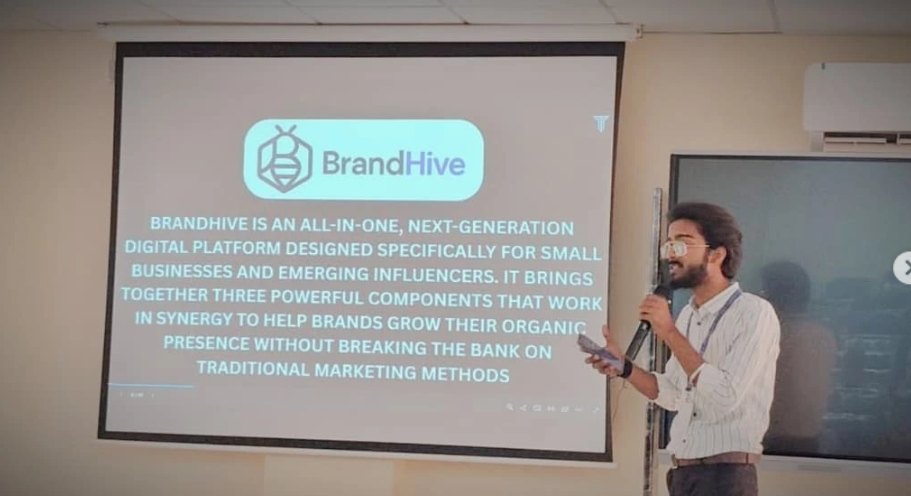
60 to 90 minutes, 10 to 40 students, conversational, built around their projects and questions rather than a fixed syllabus. It changes decisions — which project to pursue, which hackathon to enter, what to do in Year 2. The AI Mentorship Session at VSICS in April 2025 mixed this with a showcase of a hackathon-winning project, which is a strong combination.
Choose by outcome
- Students should believe they can → talk.
- Students should be able to → workshop.
- Students should decide → mentorship session.
Combine them
The format that works best on a single campus visit: a 40-minute talk for the whole batch in the morning, a 90-minute workshop for the club in the afternoon, and a mentorship hour for the students who stayed. One visit, three outcomes. Coordinators can find the logistics in how to invite a GenAI guest speaker, and the formats I offer on the invite page.
— Pranjul Rathour, GenAI Engineer from Kanpur, India. Open to GenAI roles, hackathon judging, mentorship sessions and guest talks at any campus: pranjulrathour41@gmail.com.