A fresher's resume for an AI role has one job: make the reviewer open a project link in the first fifteen seconds. Most resumes I see in placement clinics bury the projects under a college header and a paragraph of adjectives. Here is the order that works, from what I have seen get callbacks.
Above the fold
- Name, one-line positioning, links. "GenAI engineer · RAG, fine-tuning, production AI apps" and clickable GitHub, LinkedIn and portfolio links. No address, no photo.
- Three projects, each in three lines: what problem, what you built (with the stack), one number — users, evaluation score, latency, VRAM. A link on each title.
- Skills, one dense line grouped by area, matching the vocabulary of the job posts you are applying to.
Below the fold
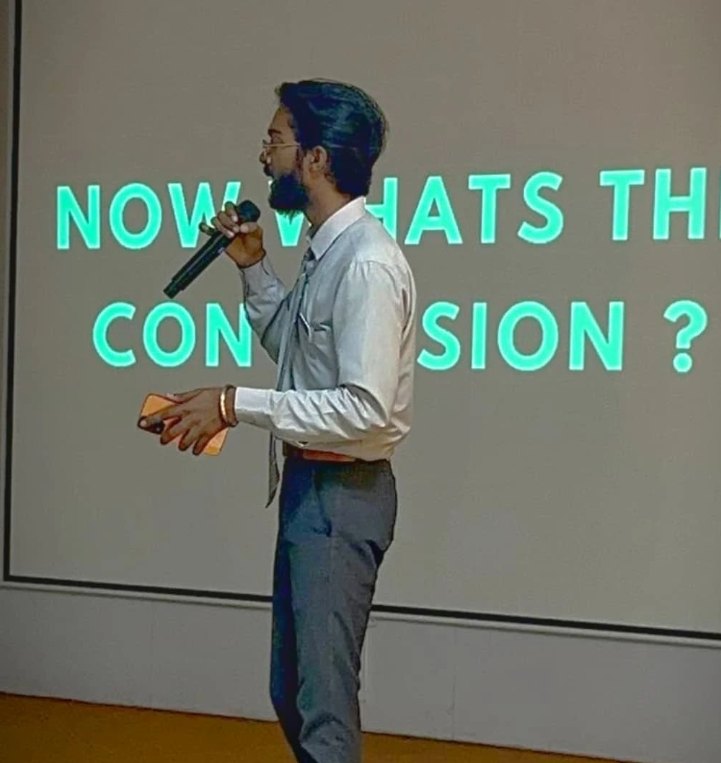
- Wins and talks — hackathon prizes with the institute and year, sessions you delivered. These are evidence of initiative; they belong on the page.
- Education, one line. Degree, institution, year. Grades only if strong.
- Community and open source, if real.
Writing the project lines
Bad: "Developed an AI-powered chatbot using the latest technologies." Good: "Built a RAG assistant over 400 pages of department notes; hybrid retrieval + reranking + confidence gate; recall@5 0.91 on a 60-question set; 40 weekly users." The second is longer and takes less time to evaluate.
Cut
- The objective paragraph.
- Soft-skill lists.
- Courses and certificates unless the role requires one.
- Anything you cannot talk about for five minutes.
Match, then send
Read three job posts for the role, note the words they repeat — retrieval, evaluation, LLM APIs, FastAPI — and make sure the resume uses them where true. Then send it with the portfolio it points to, because the resume is only the doorway; the projects in five AI portfolio projects that get interviews are the room.
— Pranjul Rathour, GenAI Engineer from Kanpur, India. Open to GenAI roles, hackathon judging, mentorship sessions and guest talks at any campus: pranjulrathour41@gmail.com.