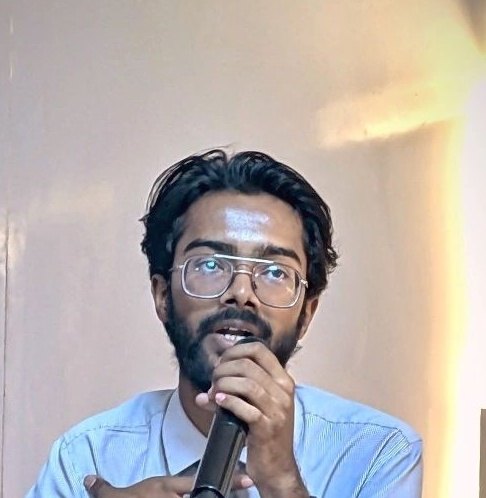
The AI Mentorship Session at VSICS in April 2025 ran for a seminar hall of students and ended with people staying back to ask questions — not because the topic was new, but because the format never let attention drop. Here is the structure, minute by minute, for any tech club or coordinator planning a session.
The 90-minute shape
- 0–10: the problem, not the agenda. Open with a real situation the room recognises — a project that failed, a demo that broke — and the question the session will answer.
- 10–40: build it live. Code in front of the room, narrating decisions. Make a mistake on purpose and fix it; the recovery teaches more than the plan.
- 40–55: hands-on block. One small task everyone does on their own laptop or phone, with a visible target. Walk the room.
- 55–70: show-and-tell. Three volunteers show their result on the projector. Praise specifics; fix one thing each.
- 70–85: the map. Now, and only now, the slides: where this fits, what to learn next, one resource.
- 85–90: the ask. One concrete thing to do this week, and how to reach you.
Three rules
- No slide before minute 70. If it can be shown, show it.
- Every fifteen minutes the room does something: answers a question, votes, types.
- Names. Learn six in the first ten minutes and use them.
Logistics that decide the session
Wi-Fi tested with sixty devices, not one. A hotspot as backup. The projector checked with the actual laptop. Font size at 20 or larger. A shared document with the code and links posted before the session, not after. These decide more sessions than the content does.
For coordinators
Book a room with tables, not an auditorium, for anything hands-on. Cap it at 60 to 80. Tell the speaker the students' year and what they already know. I have written the full checklist in how to invite a GenAI guest speaker to your college.
— Pranjul Rathour, GenAI Engineer from Kanpur, India. Open to GenAI roles, hackathon judging, mentorship sessions and guest talks at any campus: pranjulrathour41@gmail.com.